
TOMATOES
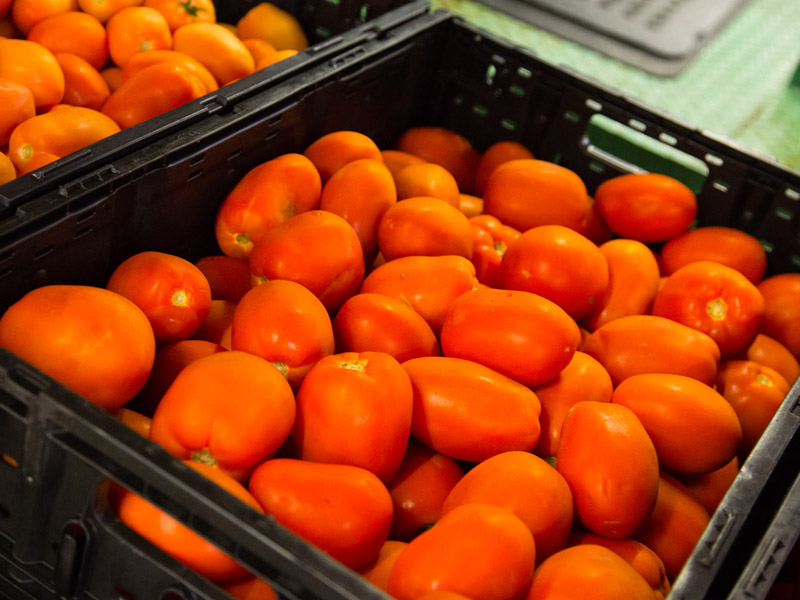
Roma supply is pretty steady compared to last week albeit lighter than previous years. Mexican import supply has increased temporarily with less National movement but quality is till very inconsistent. Although forecasted lower, the September temperatures have remained high which could create a gap in October supply if the current crops flush out earlier than normal or blooms do not set correctly in new crops.
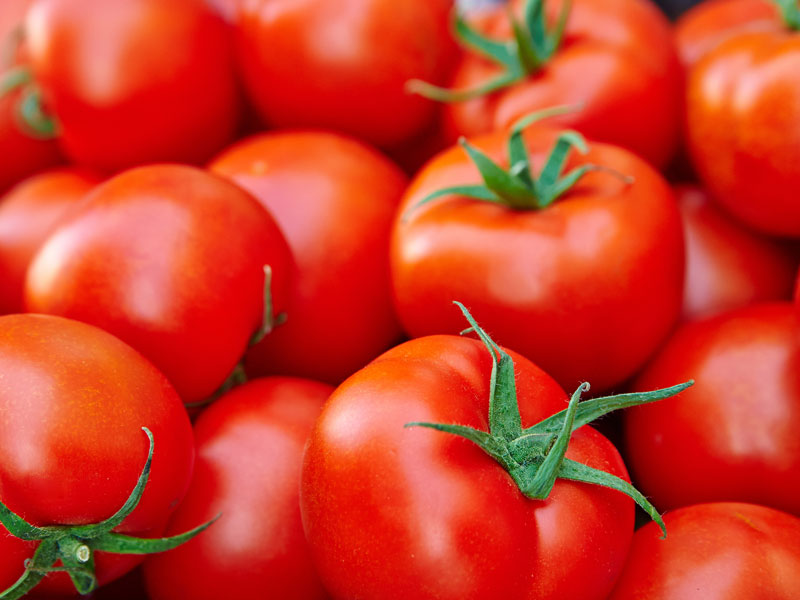
Volume and quality should be steady for the next couple weeks before sizing starts to dip during the transition window. The consistently high temperatures may limit volume at the beginning the of new crops with bloom drop issues. Western supply will continue to be light but steady as well for the next month. Market is still raised, especially for premium size and quality.
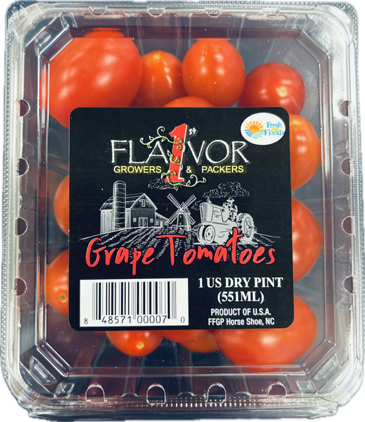
Grape crops in NC have flourished over the last week and quality is excellent. Volume should be consistent for at least another week and then start dipping, but new plantings should get started on time. Western supply has been very minimal, keeping markets raised.
VEGETABLES
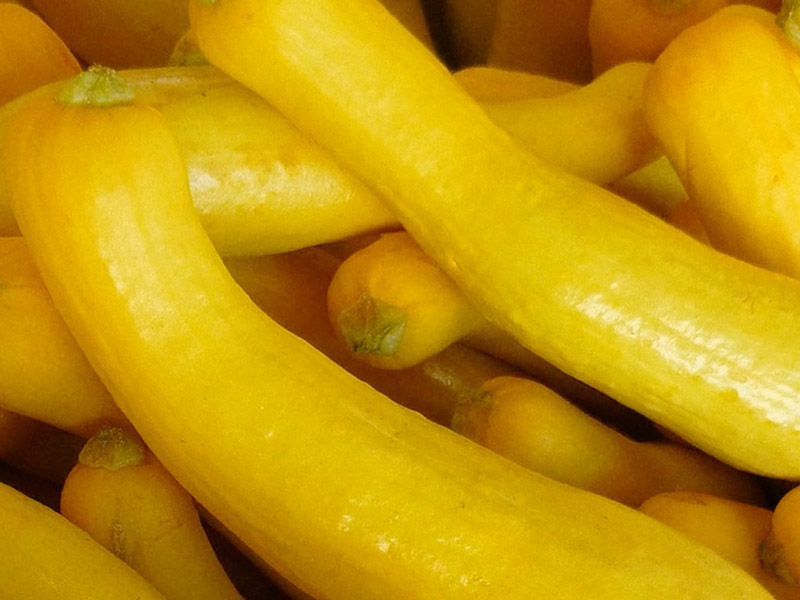
Squash production is starting to pick back up as we move into new fields that received some much-needed rain. However Georgia is experiencing heavy white fly pressure which will delay our start dates and volumes significantly. Expect the market to stay firm as we work through this.
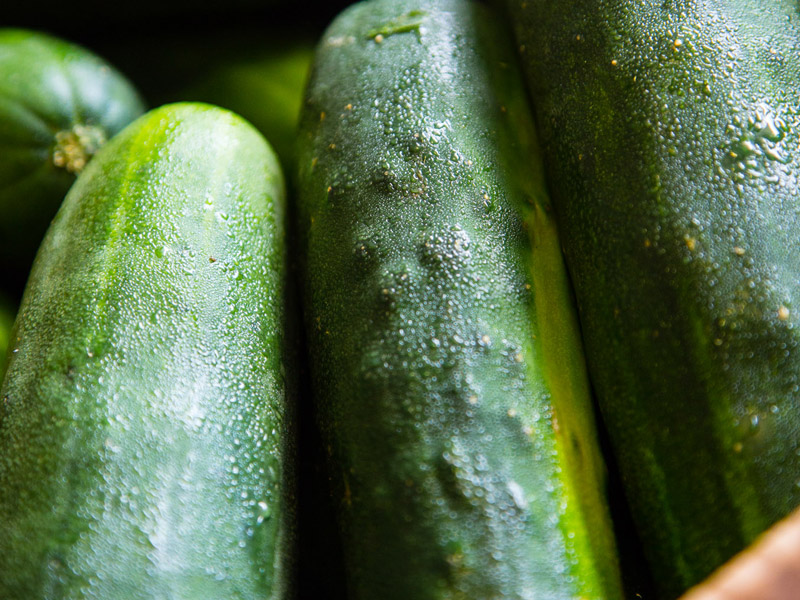
Cucumber supply is strong, with good volume coming out of North Carolina. We expect Georgia to begin production around the first or second week of October, which should help provide good volume through the transition. With improving availability, expect the market to remain soft.
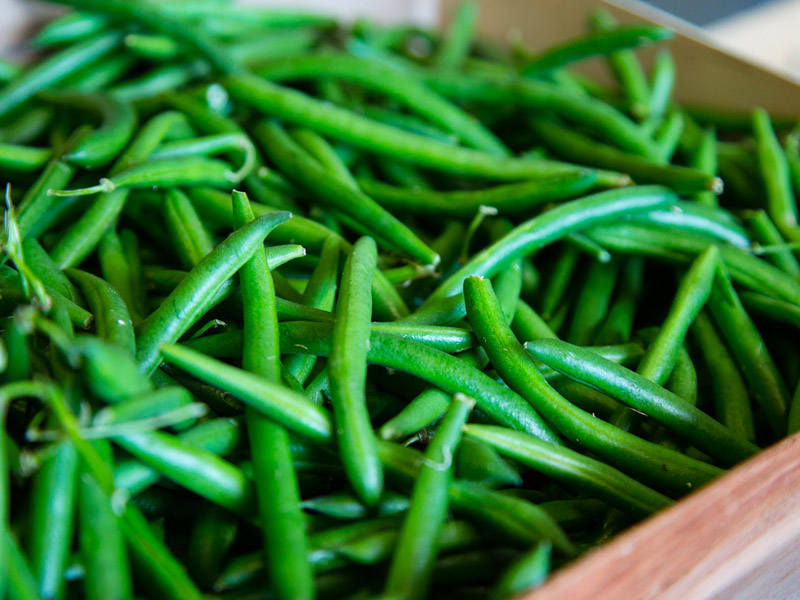
Bean quality remains good, but production is slowing from cooler nights and recent weather over the last couple of weeks. As we transition to the new crop in Georgia, expected to start in early October, and the market to remain strong through this transition.

Bell pepper supply is slow as current production winds down. We expect to begin our South Carolina crop by end of this week. Supply should tighten somewhat over the next couple of weeks during the transition. Georgia production expected to begin around September 28–October 3. Expect the market to gain some strengthen through the transition.